Your shopping cart
😊 Product added to cart successfully
Product removed to cart successfully



Couldn't load pickup availability
Free shipping and returns available on all orders!
We ship all US domestic orders within 5-10 business days!
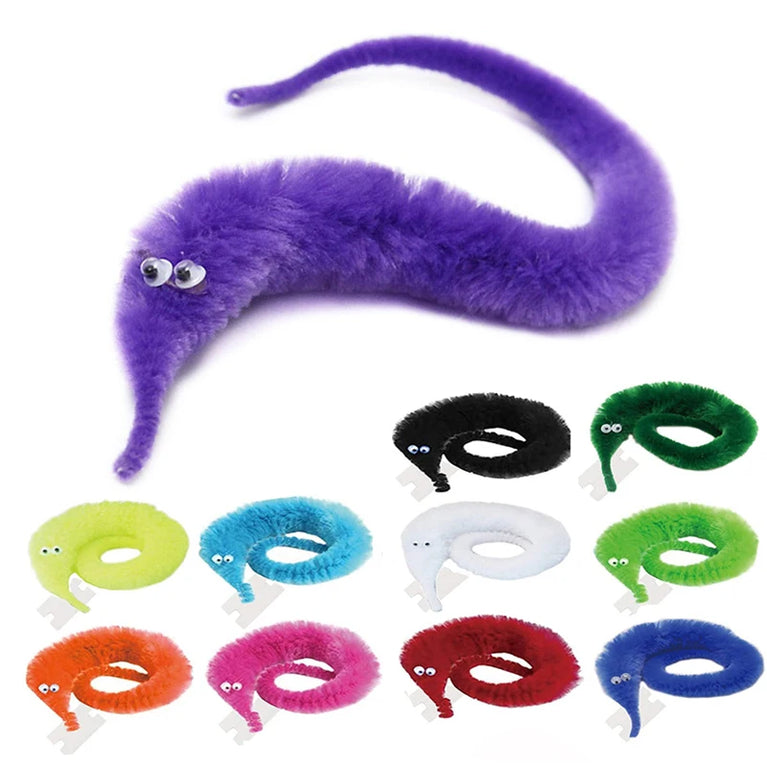
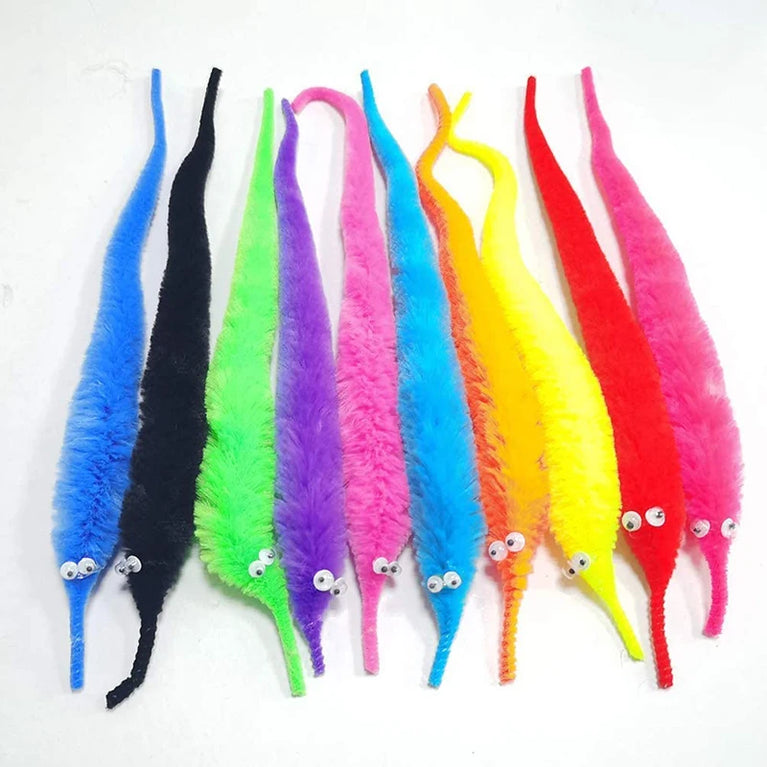
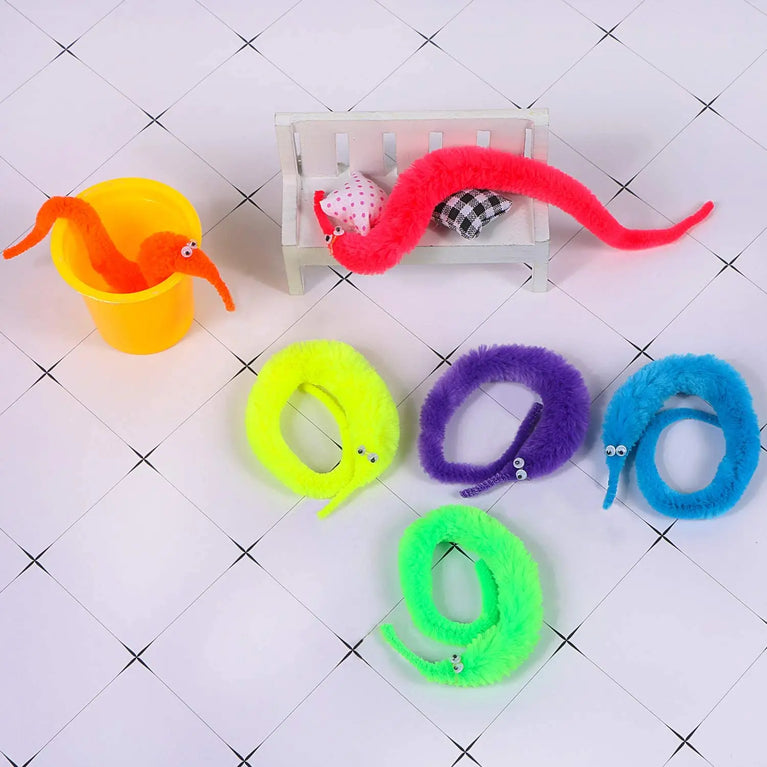


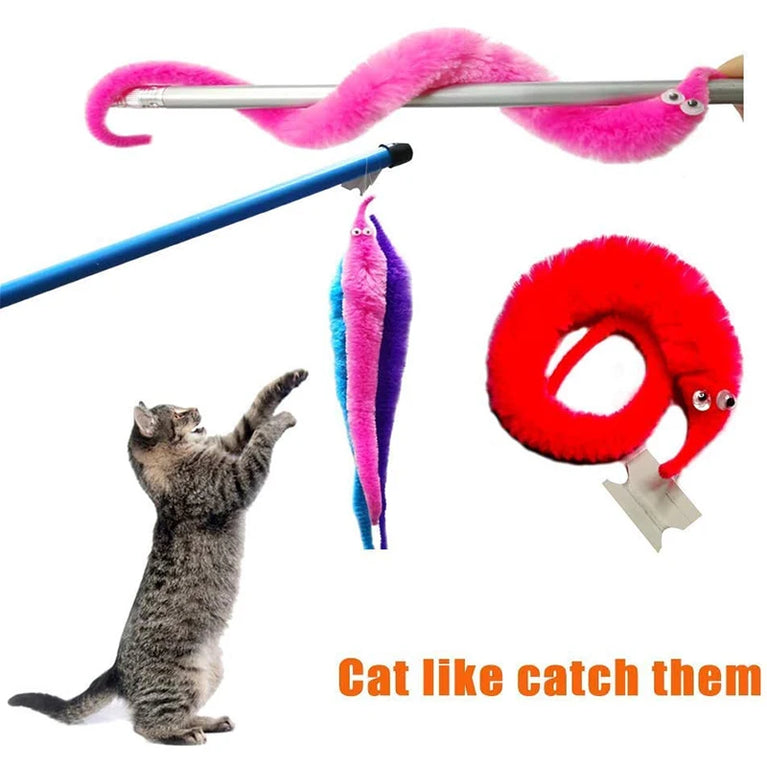
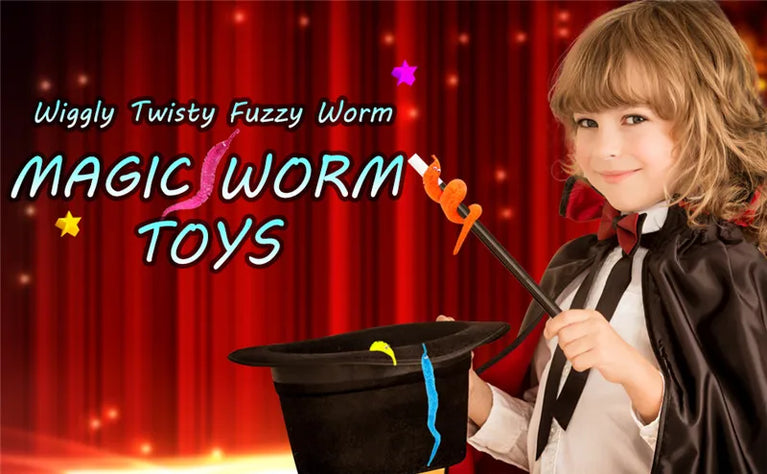
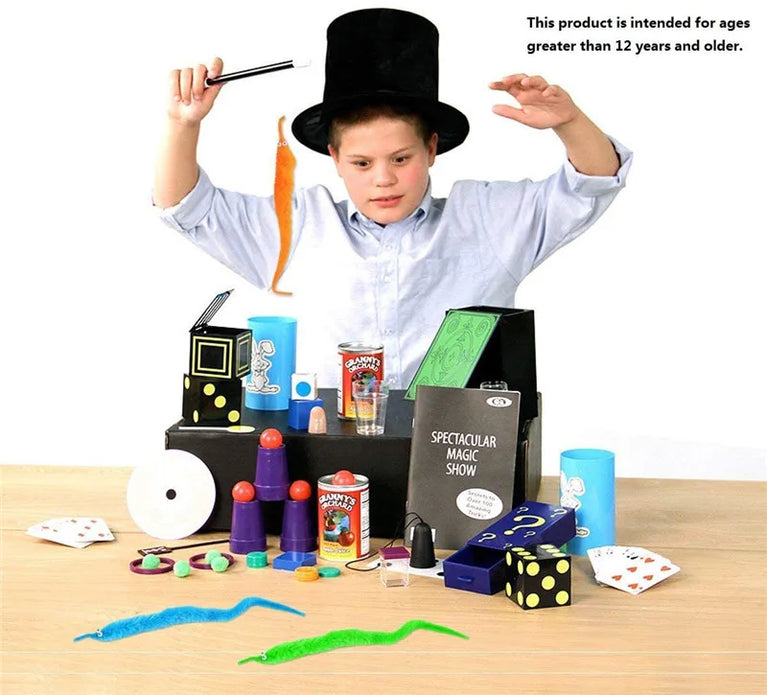
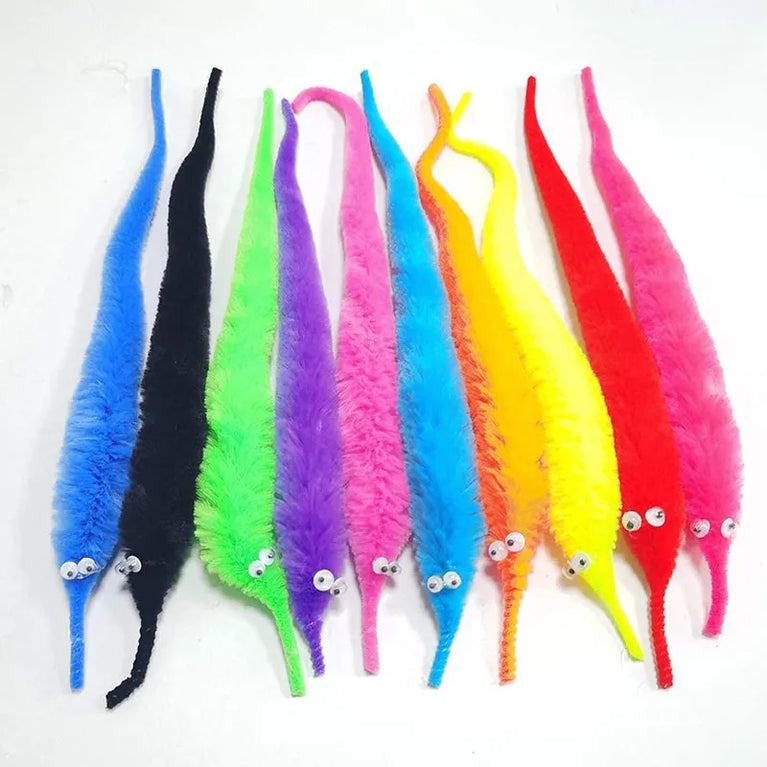
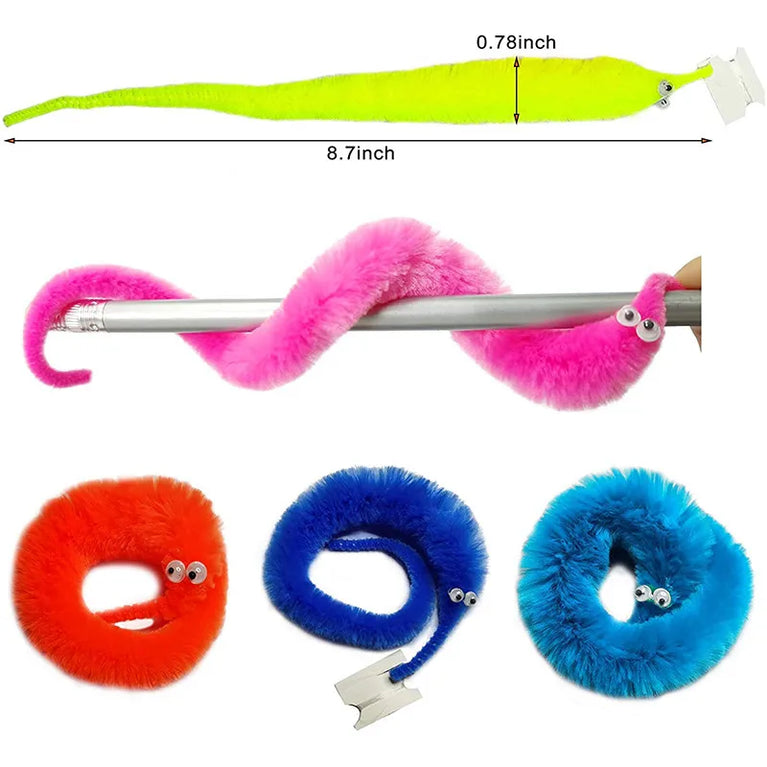
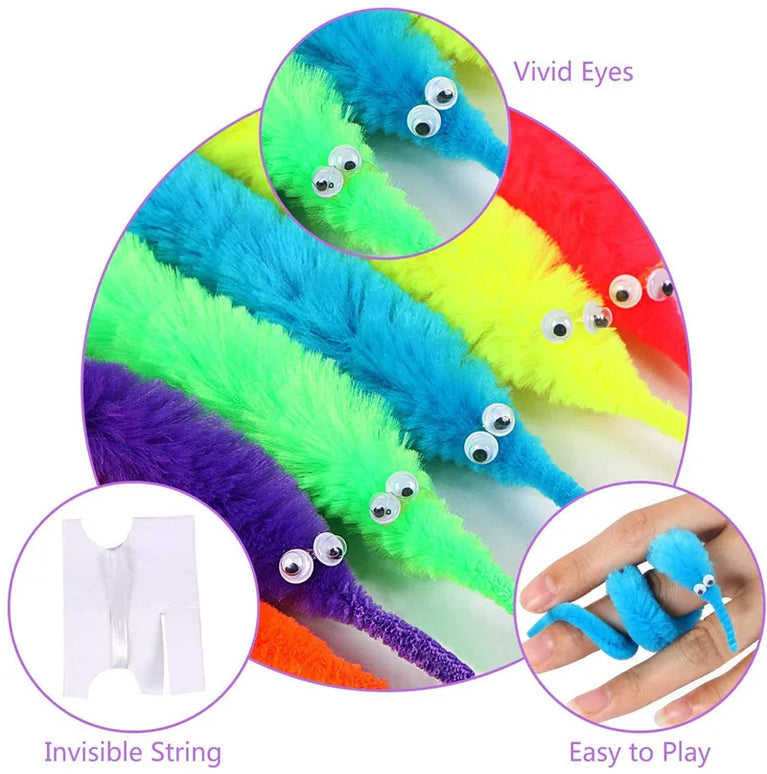
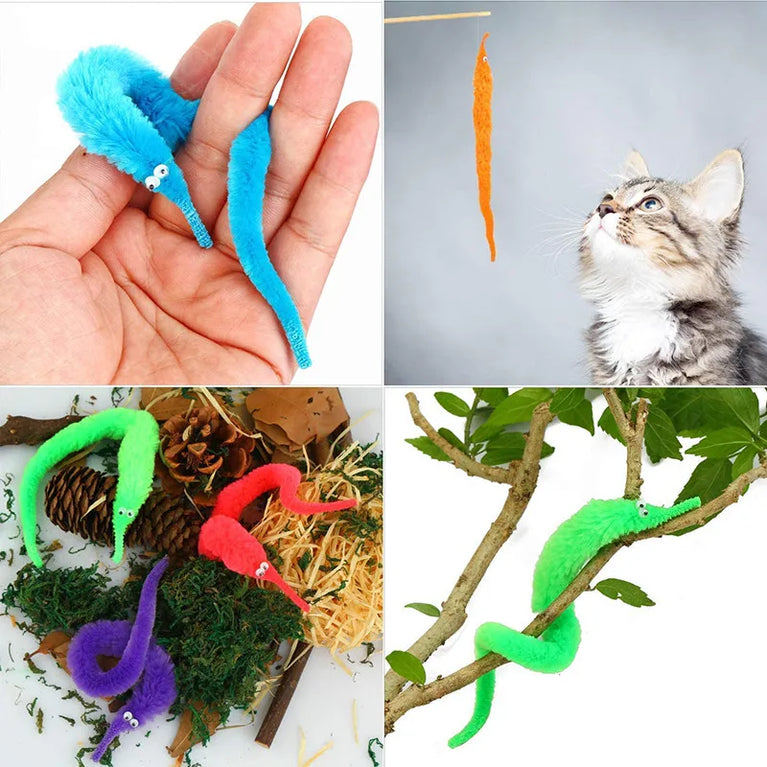
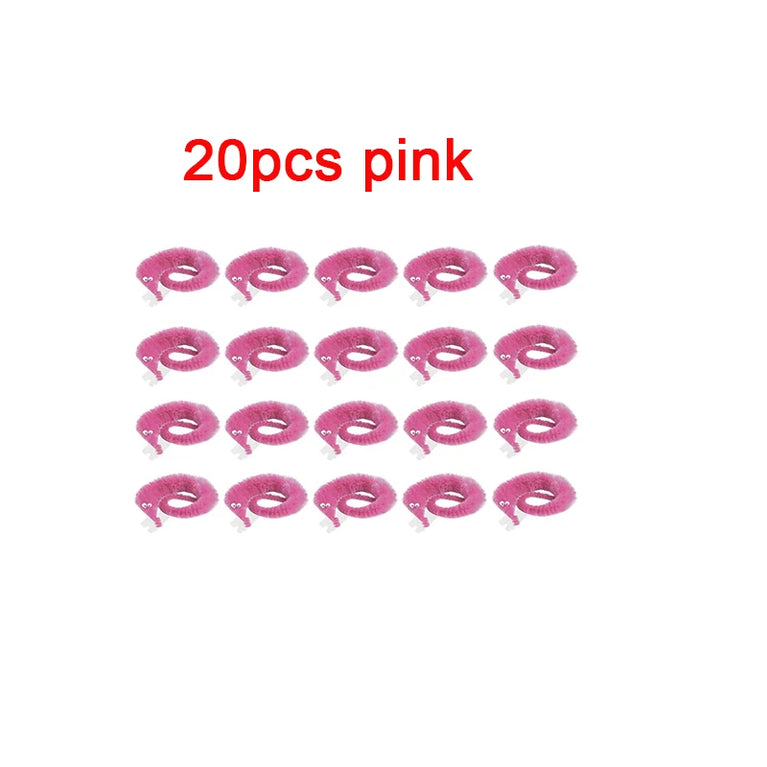
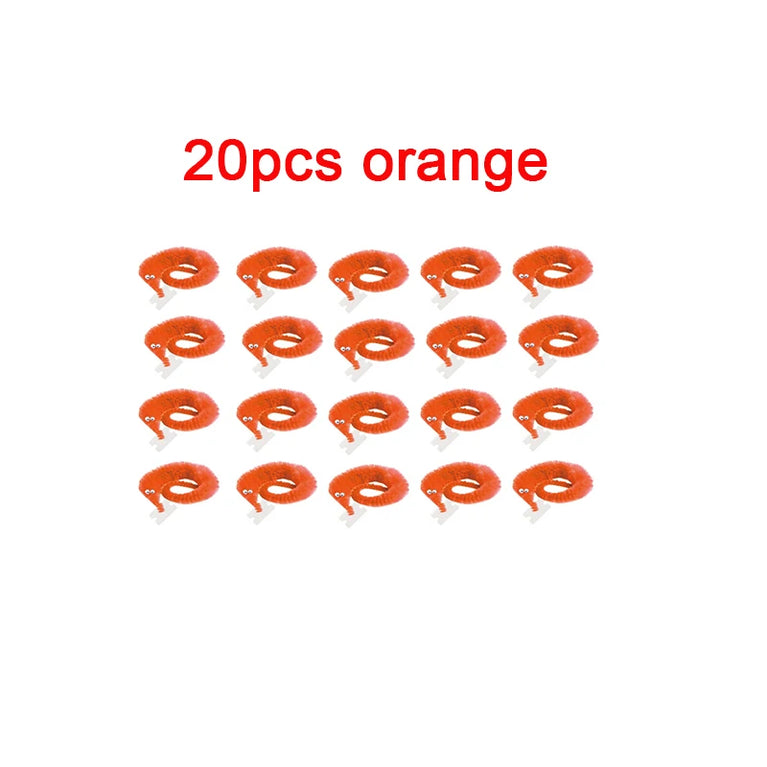
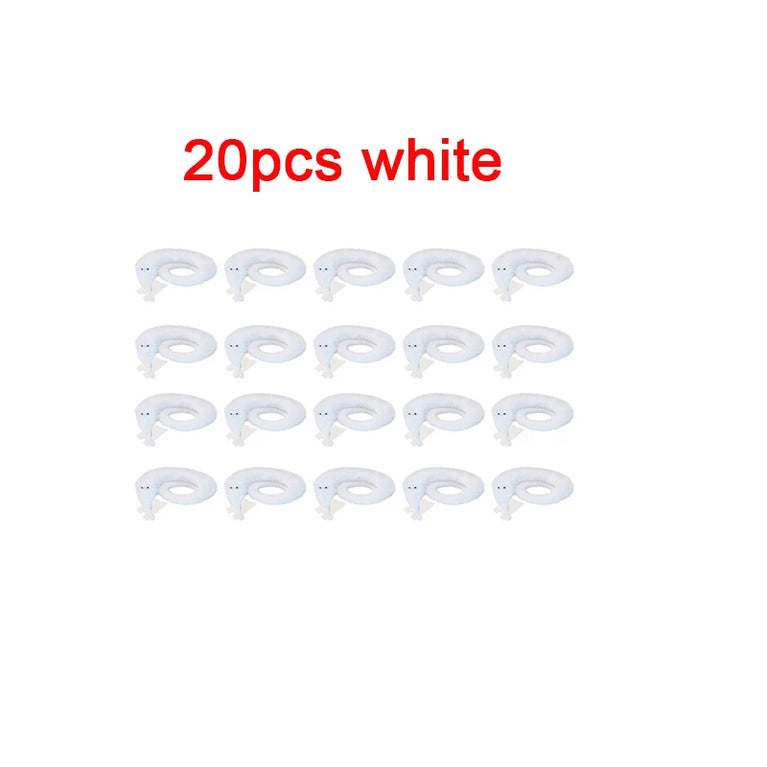
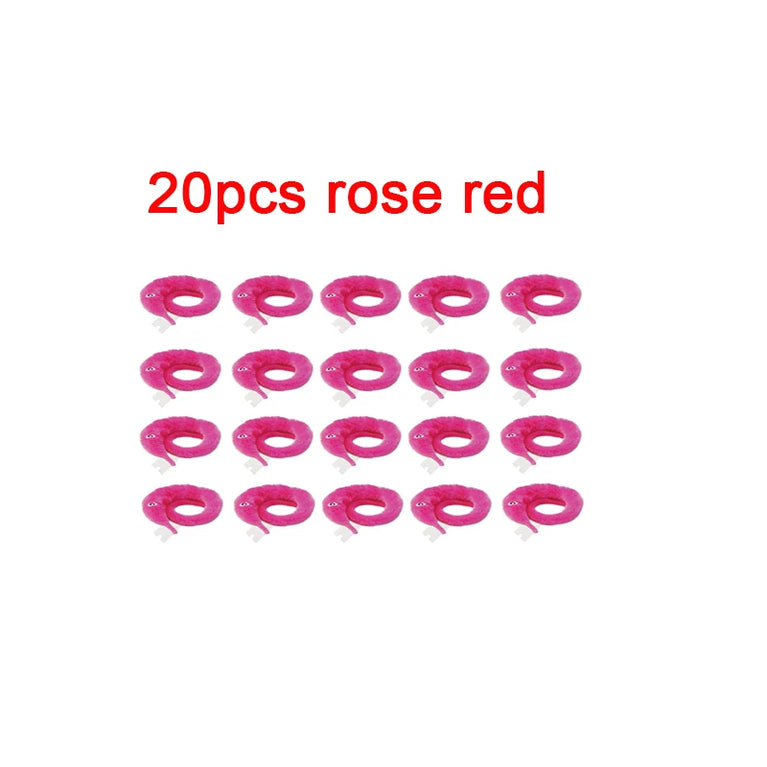
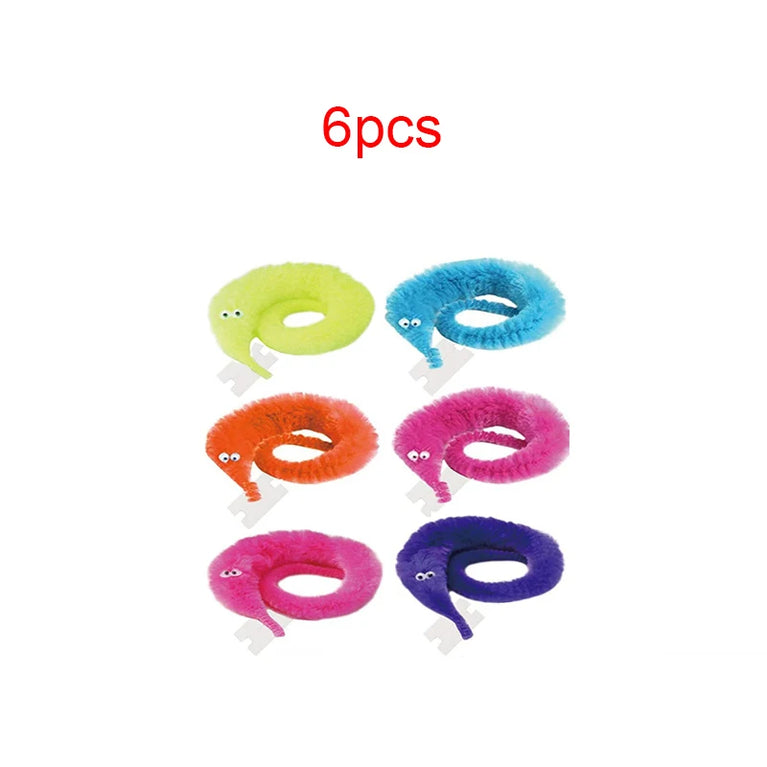
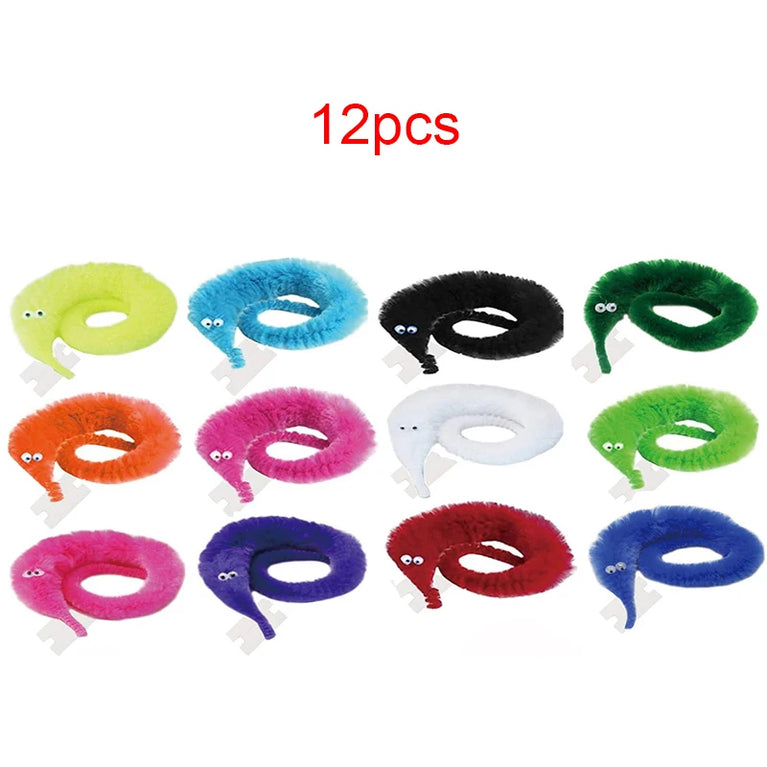
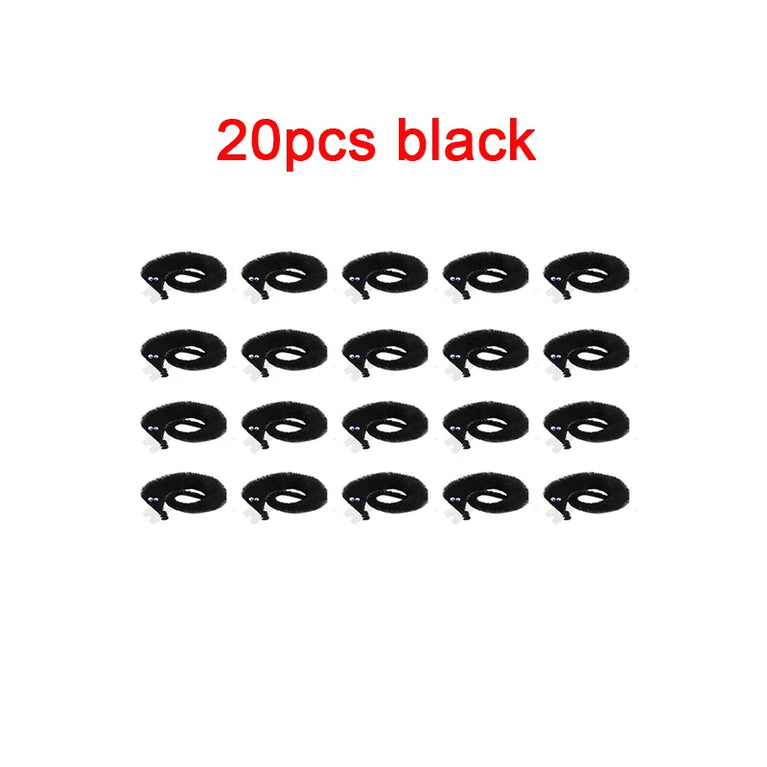
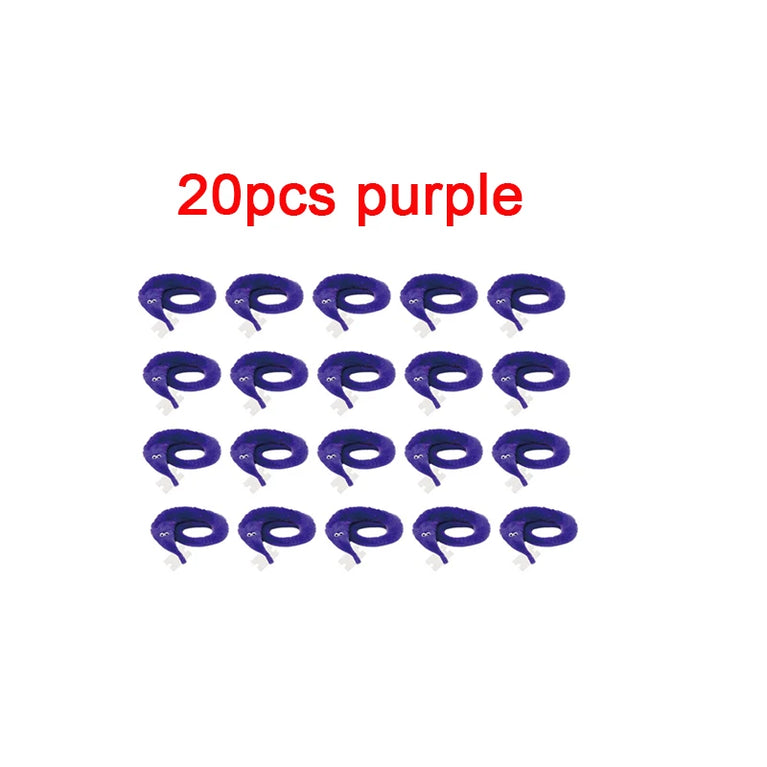
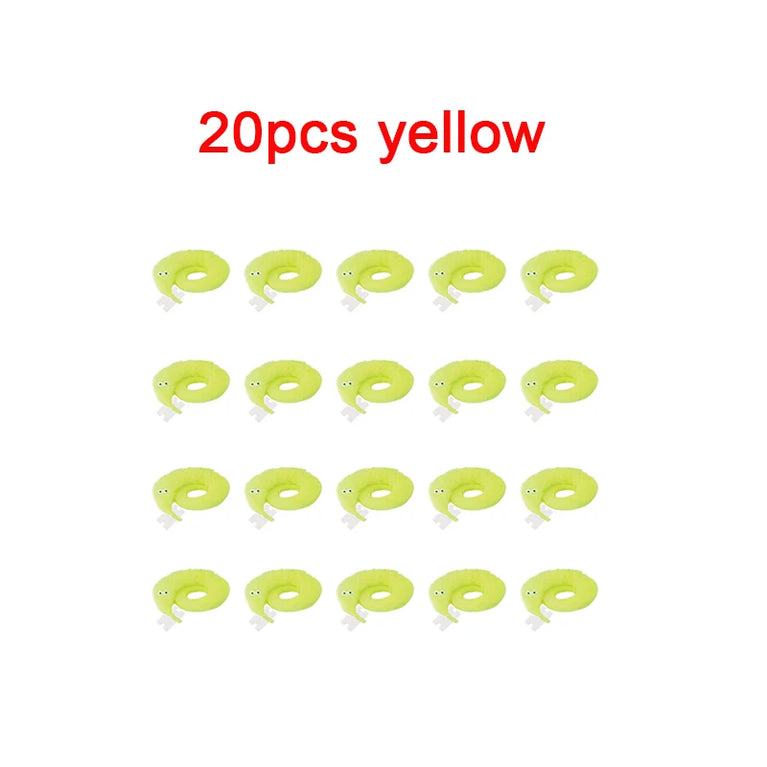
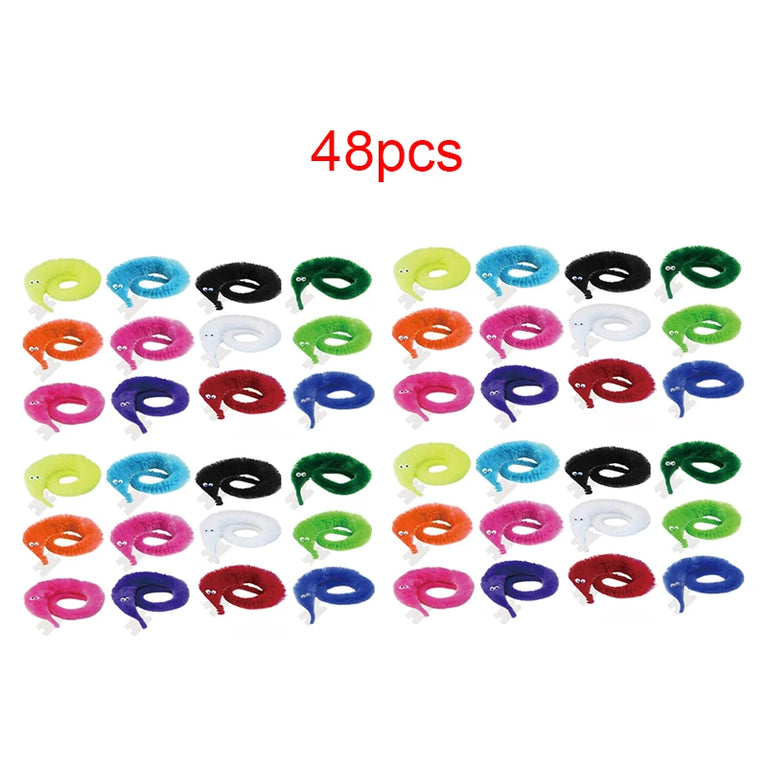
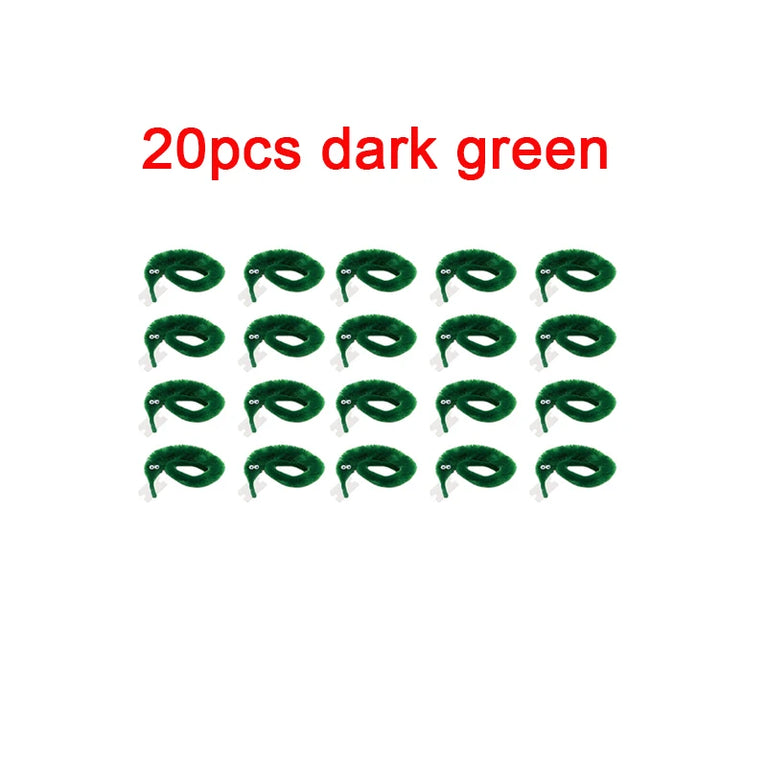
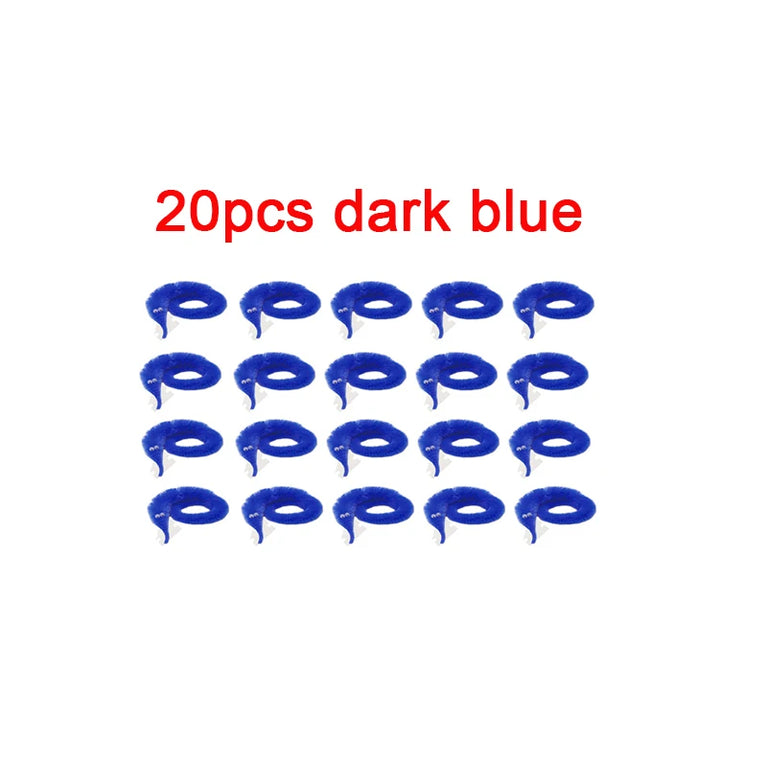

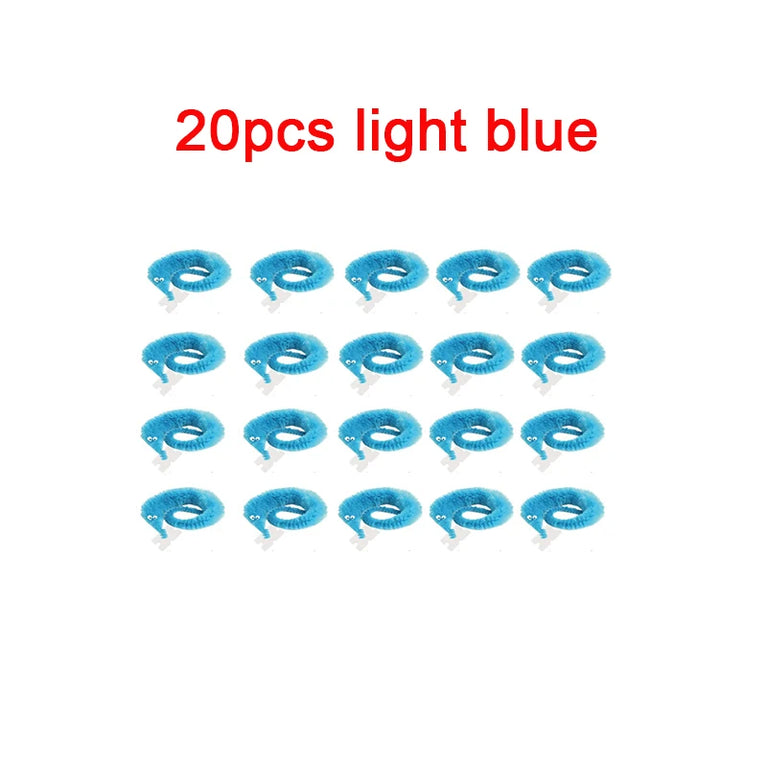
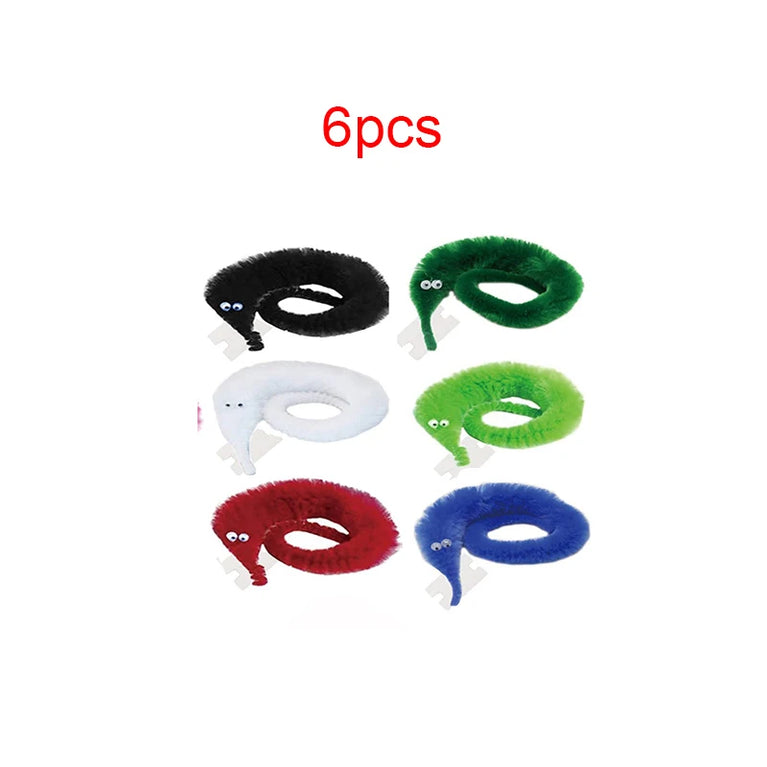
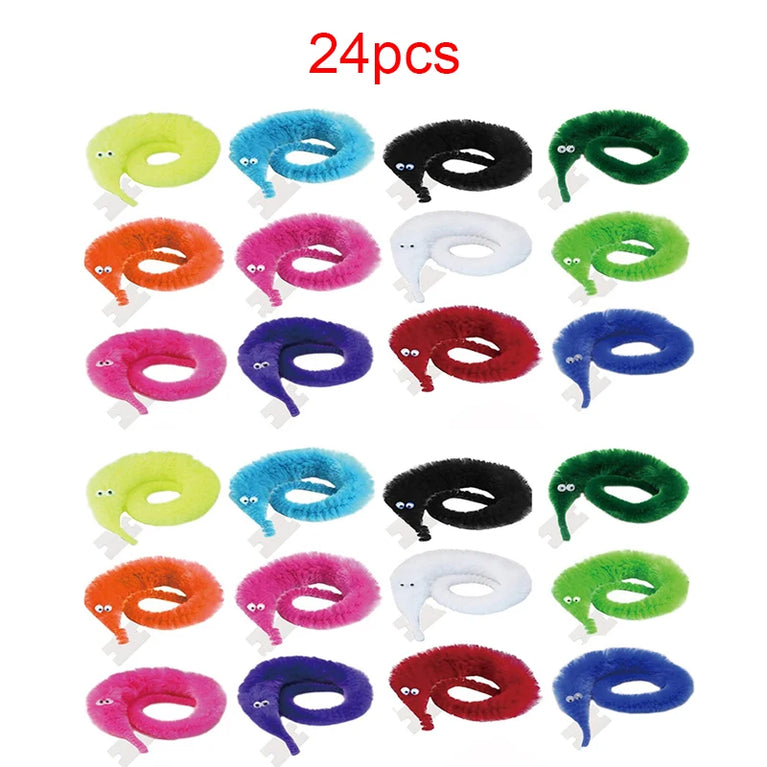
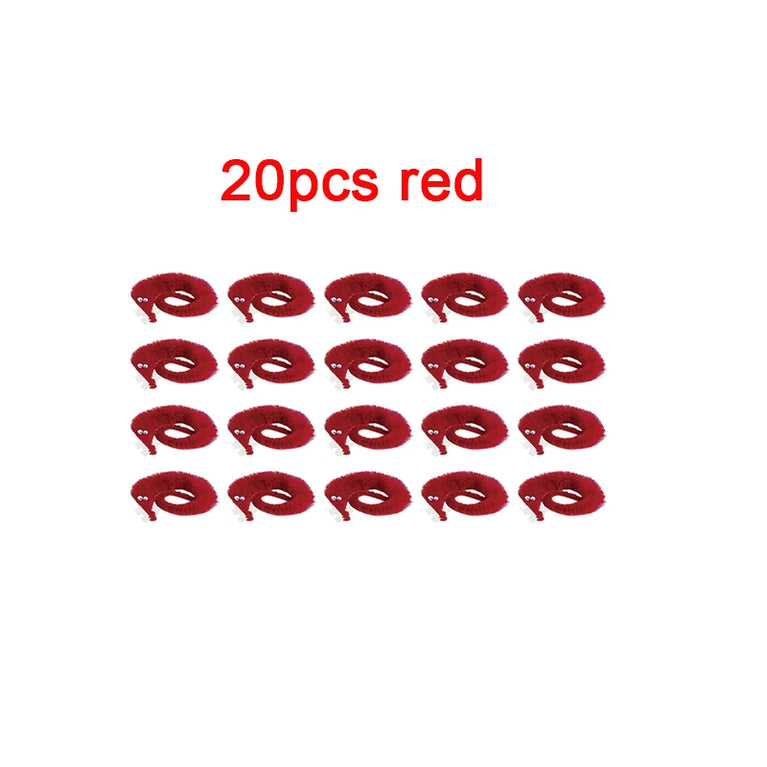
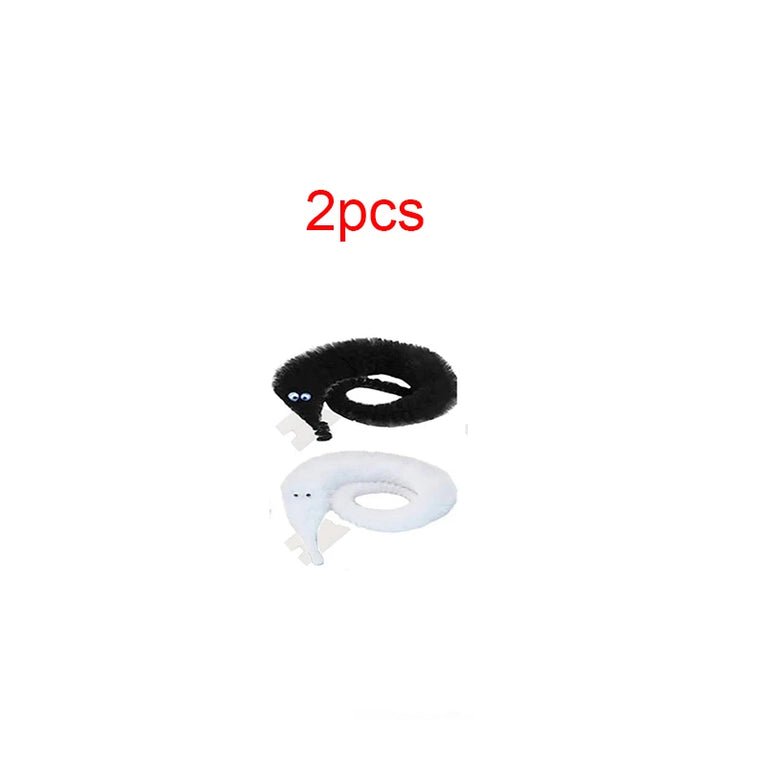
Bring a touch of enchantment to your next performance with the Fuzzy Magic Worm. This classic "wiggly" prop is a staple for budding magicians and carnival enthusiasts alike. Using a simple invisible string mechanism, this plush worm appears to move on its own—slithering through fingers, jumping out of cups, and winding around pencils. It acts as a mechanical necessity for teaching sleight of hand and performance timing to children and adults.
Material: Soft, High-Quality Plush Fabric
Type: Invisible String Trick Prop
Length: Standard One Size (Approx. 20cm)
Design: Bright, High-Visibility Colors with Animated Eyes
Certification: CE Certified
Safety: Warning: Choking hazard—Not for children under 3 years old.
Integrated "Invisible-String" Architecture: Experience a mechanical necessity for lifelike movement. The ultra-fine thread acts as a mechanical necessity for creating the illusion of autonomous motion, allowing the worm to "climb" and "dance" without visible assistance.
Supportive "Soft-Plush" Engineering: Achieve maximum flexibility. The lightweight plush body acts as a mechanical necessity for fluid, "wiggly" transitions, ensuring the worm can bend and twist realistically during rapid movements.
Technical "Beginner-Friendly" Utility: Designed for easy mastery. The simple attachment mechanism acts as a mechanical necessity for those new to magic, making it a "stage-ready" prop that requires very little practice to achieve an impressive effect.
Versatile "Performance-Form" Design: Engineered for various settings. Its vibrant colors and expressive eyes act as a mechanical necessity for maintaining audience attention during stage magic, school shows, or carnival party performances.
Cognitive "Fine-Motor" Utility: Designed for skill development. Manipulating the string while coordinating hand movements acts as a mechanical necessity for improving dexterity and hand-eye coordination in younger performers.